How to Spec an Infinity Mirror Logo for Flagship Retail
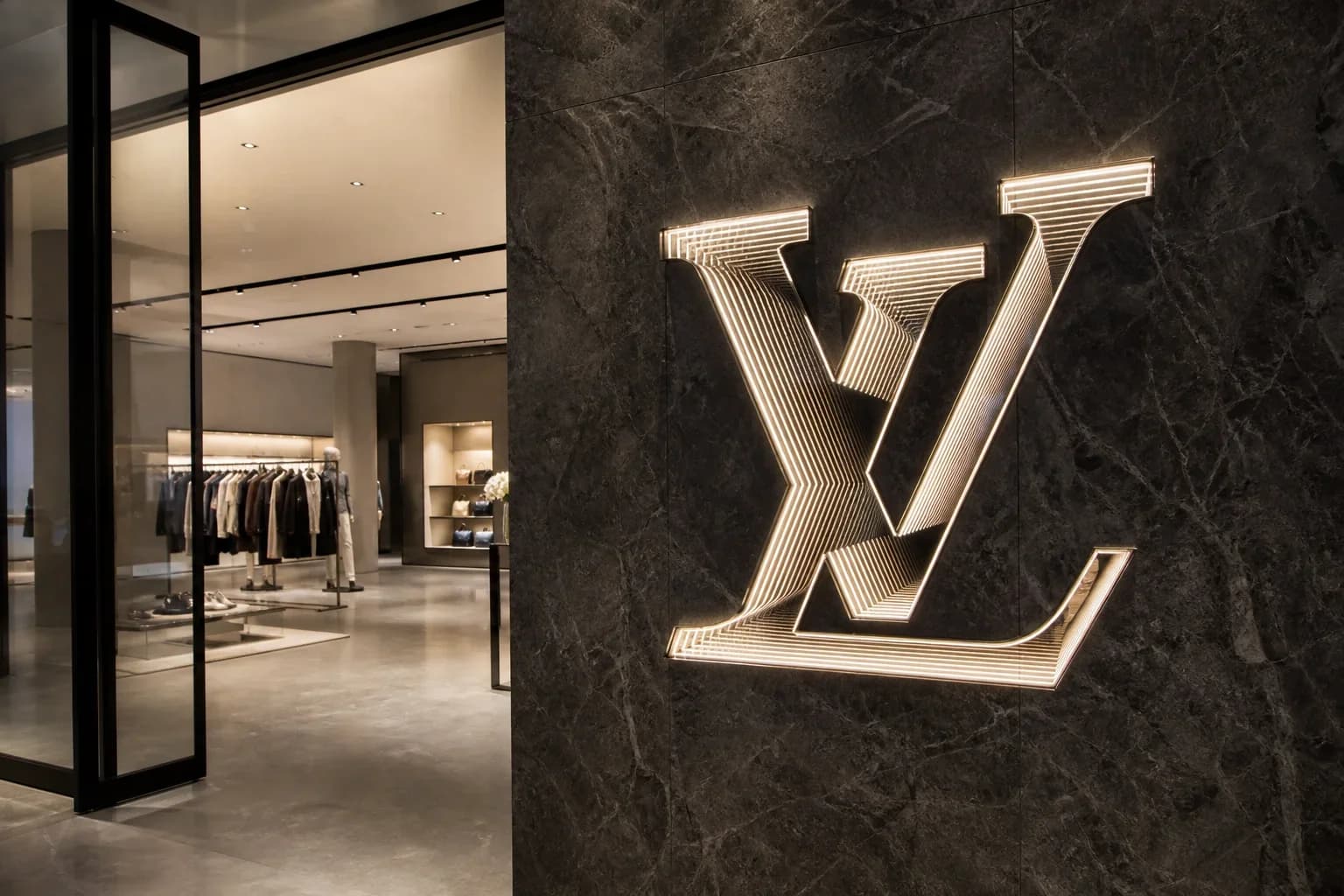
A practical buyer guide to spec an infinity mirror logo for flagship retail — artwork readiness, optical stack, ambient light, control tier, wall build-up, and the RFQ inputs that keep shop drawings installable.
Why flagship retail specs fail before glass is cut
Flagship and concept-store teams rarely lose an infinity mirror logo on aesthetics alone. They lose it on variables that never made it into the RFQ: viewing distance under bright ambient light, wall cavity depth the GC already locked, landlord electrical caps, and a mark that cannot hold a continuous light band. Speccing late turns a brand moment into change orders, mocked-up depth that dies on camera, or a unit that cannot be serviced without tearing the wall.
This guide is for brand design, retail development, architects, and sign contractors who need a fabrication-ready way to spec an infinity mirror logo before millwork and electrical close. It stays on procurement and engineering — not product-page marketing — so quotes are comparable and the flagship retail infinity sign that installs matches the one you approved.
Treat the brief as a coordination document across design, GC, electrician, and landlord — not as a mood board. The sections below are the variables that actually change glass counts, driver schedules, and lead time.
Artwork readiness: what the optical cell can actually hold
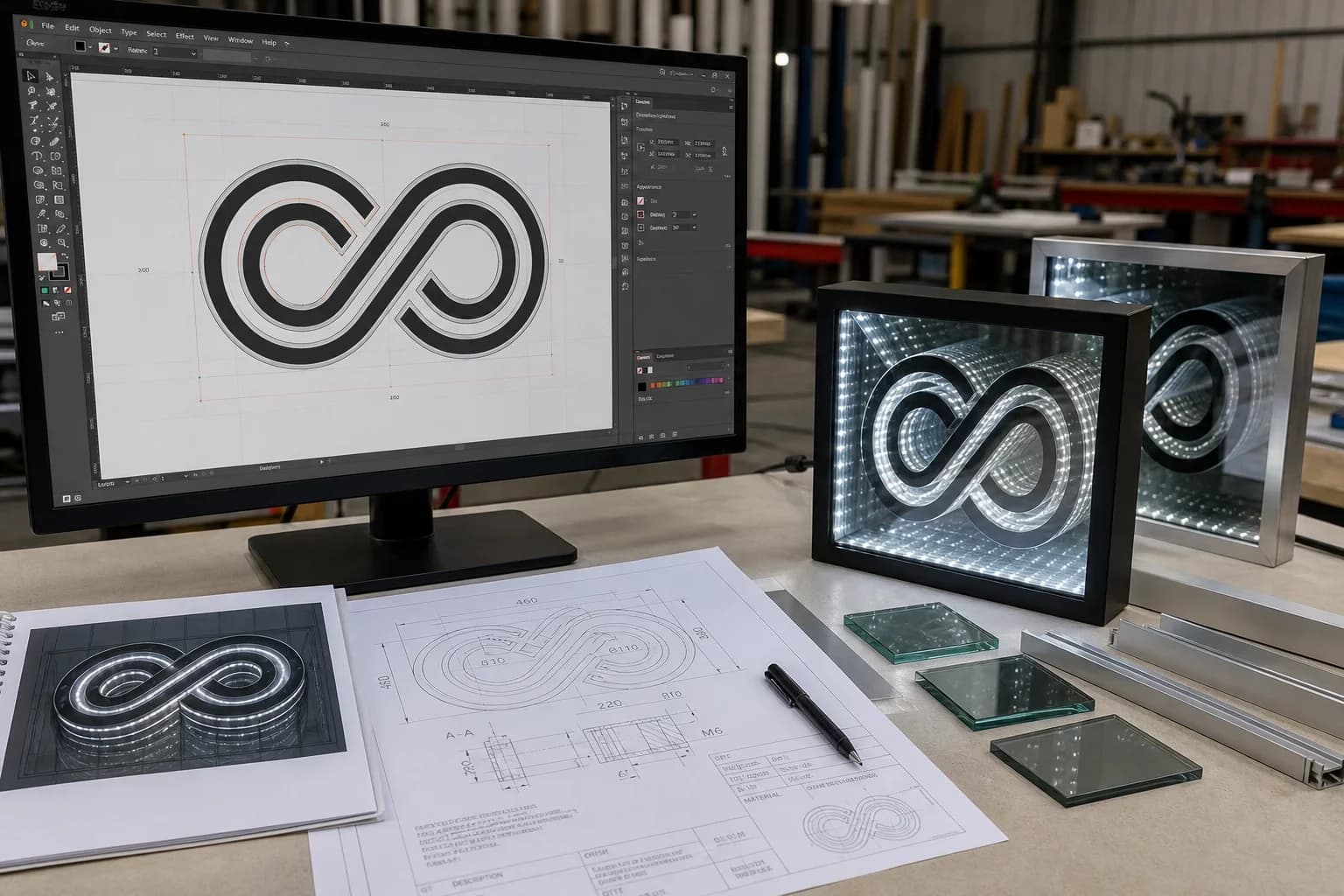
Start with vector artwork — EPS, AI, CDR, or DWG — and ask whether the mark can enclose a clean, continuous LED path. Bold icons and monograms usually translate; ultra-thin strokes, hairline serifs, and dense micro-type leave nowhere for reflections to stack, so the tunnel collapses into a flat glow. When the brand wordmark is too fine, lock an icon tunnel as the infinity cell and light the wordmark conventionally beside it.
Call out target overall size, preferred orientation, and which edges must stay flush to stone or metal reveals. Share pantone or Kelvin intent early if brand color is sacred; a fixed single-color cell is often the right retail choice because it keeps the focus on depth rather than a light show. If campaign modes matter, note that as a secondary control ask — not as the default that drives every quote.
Complex outlines should be resolved in CAD before any glass is cut. A short prototype or golden sample on the critical mark is cheaper than discovering at install that a counter or serif cannot hold depth.
Optical stack: mirror grade, spacing, and LED plane
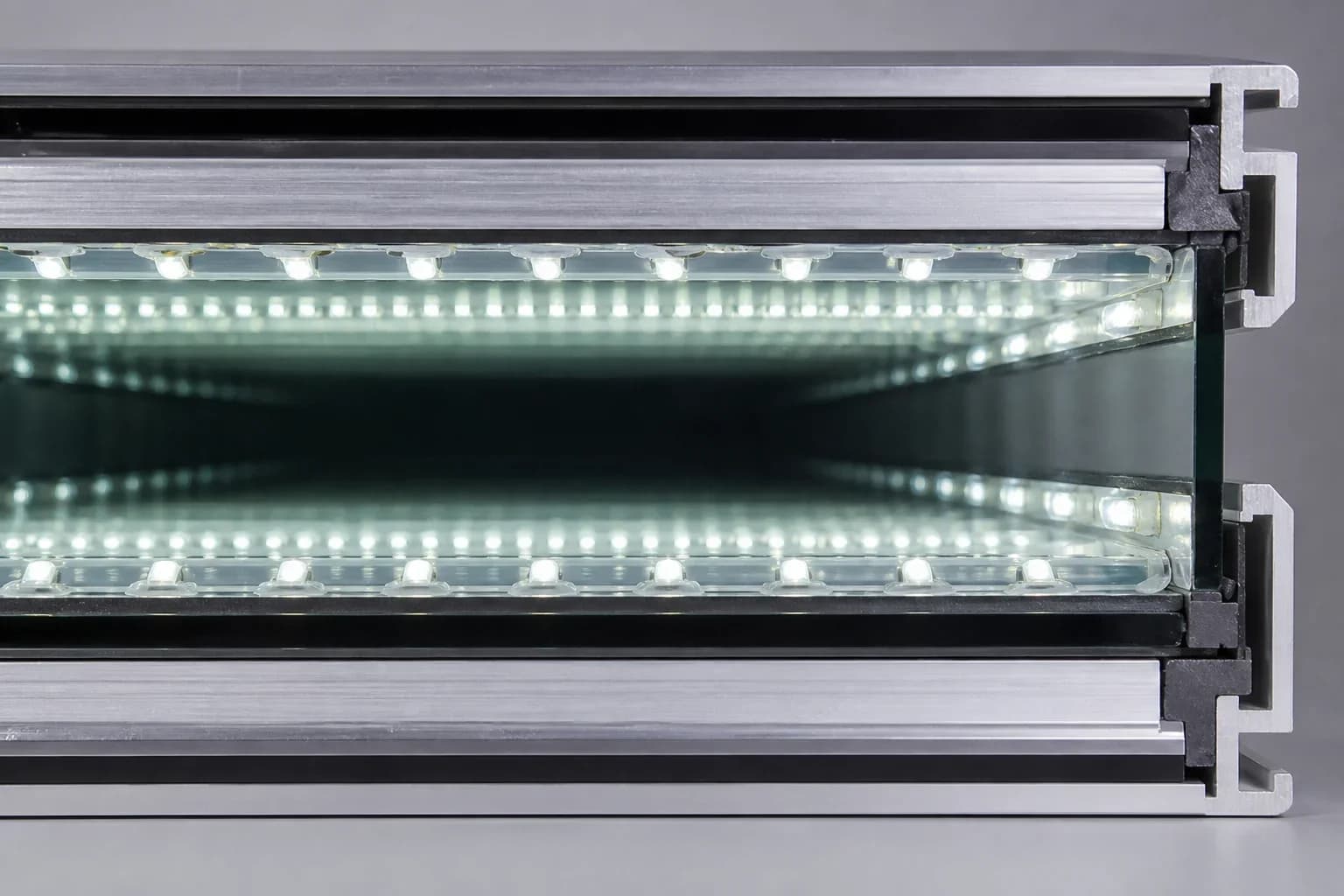
The endless effect is a three-part stack: a fully reflective rear mirror, a controlled one-way front glass, and an LED plane hidden from direct view. Optical-grade coatings beat cheap half-silvered film — the first reflection stays bright and each subsequent ring steps down cleanly instead of turning muddy or green. The rear mirror must stay flat; waviness multiplies down the tunnel and reads as a wobbly brand mark under store lighting.
Glass spacing sets perceived depth and must stay parallel across the whole cell. Lobby-scale viewing distances usually want a deeper gap than a mark seen at arm's length on a cash-wrap wall. LED density and diffusion should erase diode dots on the first ring — the failure mode shoppers and cameras both catch. Lock spacing, coating grade, and LED layout in the shop drawings, not as on-site improvisation after the frame is already on the wall.
If you need more optical detail on spacing and coatings, our glass-spacing note covers the physics; for retail procurement, the takeaway is simpler — write those three variables into the RFQ so every bidder is pricing the same stack.
Bright ambient, camera, and the flagship retail infinity sign brief
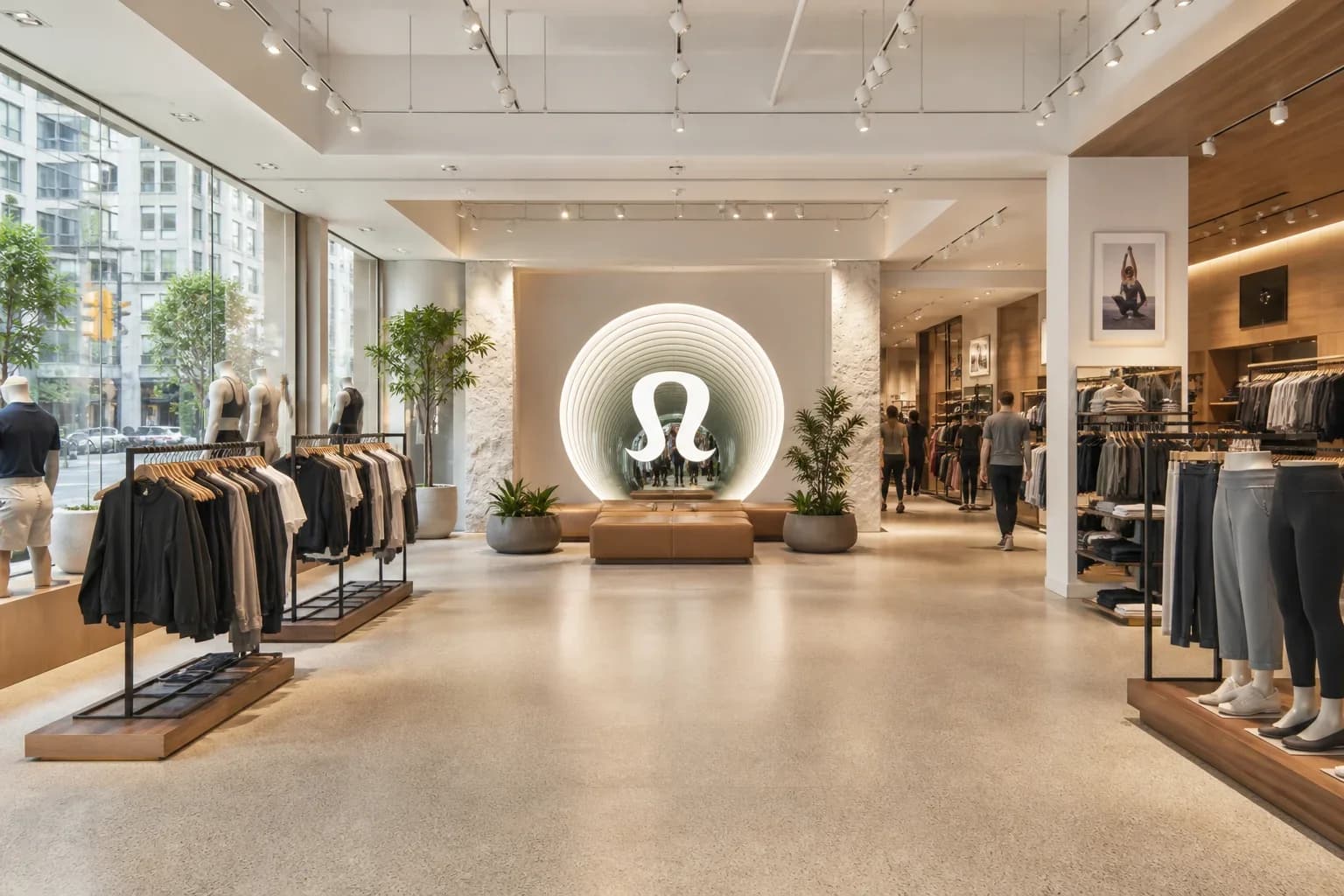
Retail ambient is hostile to shallow infinity builds. Daylight from the storefront, track spots, and bright ceiling grids wash out weak tunnels, so a flagship retail infinity sign has to be tuned for high ambient — not for a dark showroom mock-up. Specify primary viewing corridors (entrance approach, escalator landing, fitting-room exit) and whether the piece must still read on phone cameras under that mix of light.
Ask for a sample or golden unit reviewed under lighting that approximates the store, not only under workshop spots. Fixed brand color with optional scene presets covers most flagship programs; reserve full RGB choreography for campaign windows that facilities will actually run. Continuous store hours also mean thermal paths and driver access belong in the same brief as color — a sealed glass cavity that peaks bright on day one and drifts by month six is a facilities problem, not a photography one.
Wall build-up, power, and landlord constraints
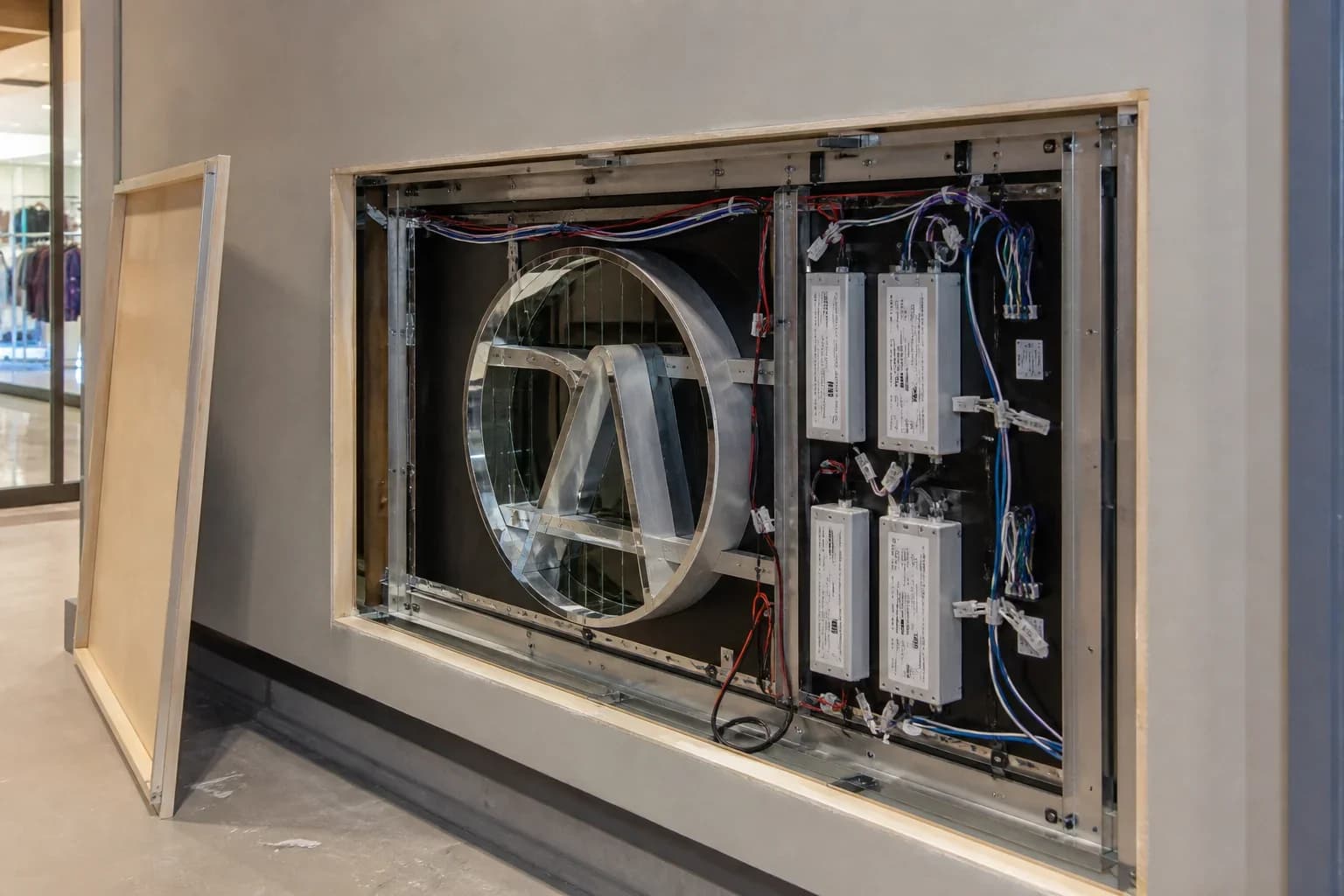
Name the wall assembly early: stud depth, cladding, reveals, and whether the infinity cell sits flush, recessed, or proud. Shallow cavities force thinner optical stacks and shallower depth; deep niches invite dust traps at the illusion edge if mounting and sealing are not drawn. Document concealed service access so drivers can be swapped without dismantling the logo face — Class 2 loads, grounding, and destination-market driver listing should sit on the same sheet your electrician and AHJ will use.
Landlord and franchise caps — maximum protrusion, night-set dimming, emergency egress lighting adjacency — change the build more often than buyers expect. Capture voltage, circuit ownership, and any existing raceway before quoting. Export programs should also note crate orientation and glass handling so the unit that cleared inspection at the factory still clears inspection after freight.
For multi-location rollouts, freeze a golden sample and a labeled BOM so each store inherits the same optical and electrical intent — market-split drivers when US and EU units ship from the same program.
RFQ checklist: share the brief, we map the build
A useful RFQ to spec an infinity mirror logo includes: vector artwork, overall size and orientation, primary viewing distance and approach photos, ambient-light notes (daylight vs. sealed box), wall section or millwork depth, destination market and supply voltage, control intent (fixed brand color vs. scenes), finish language for frame and reveals, landlord or franchise constraints, and whether a golden sample must lock multi-location QC.
Send those inputs to InfinityMir. We respond with a fabrication-ready map — optical stack assumptions, LED and driver intent, mounting and service access, and checkpoints your GC can sequence before the wall trades close — so the flagship installation matches the approved depth, not a generic quote that ignored the store.
Related capability
Portfolio — flagship retail logo wallManufactured Product Catalog
Explore Infinity Mirror Product Lines
Browse our full range of custom infinity mirror signs, letter systems, and feature walls — engineered with CAD shop drawings, UL/CE compliance, and export packing.
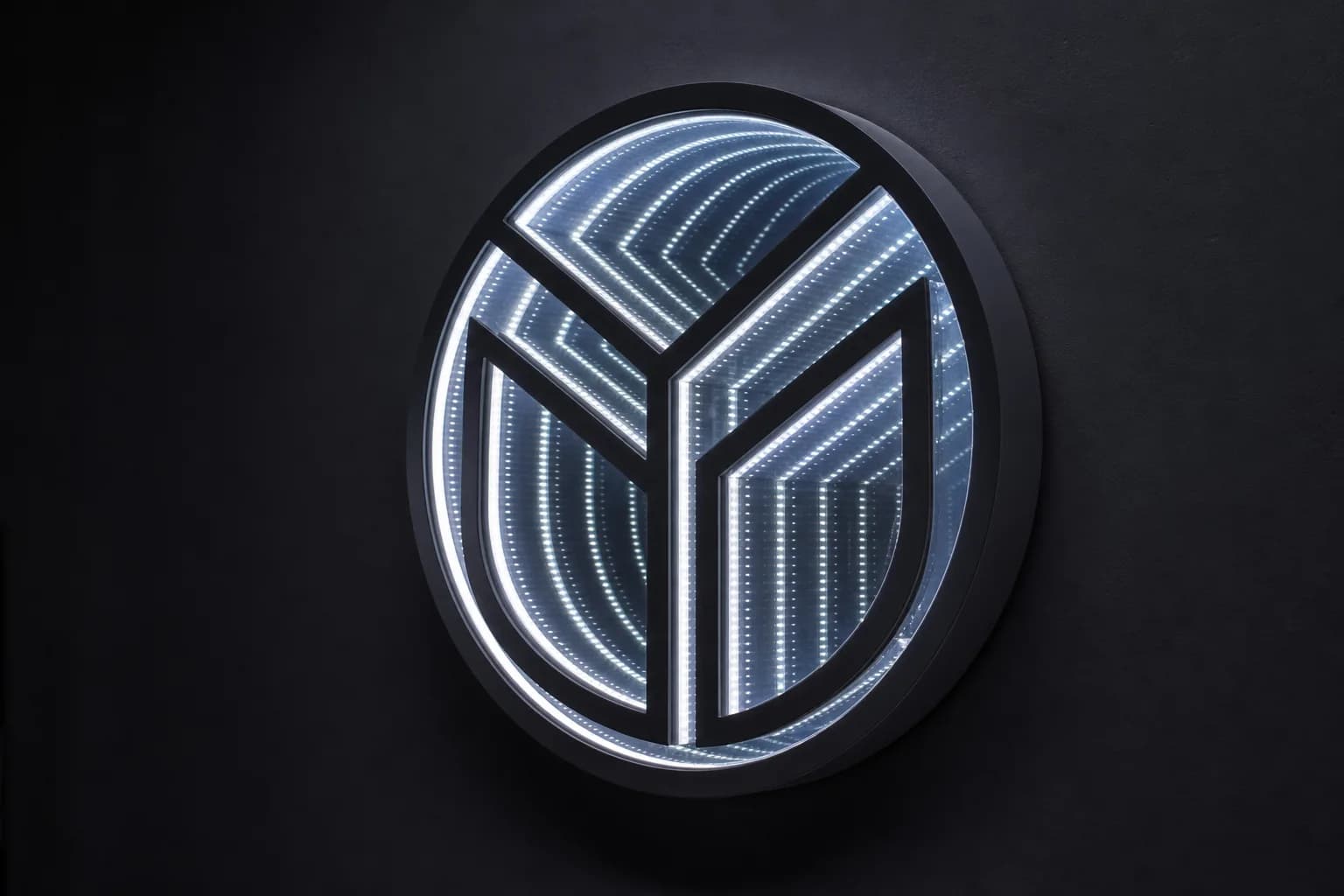
Infinity Logo Signs
Turn your brand mark into a custom infinity mirror logo sign — optical-grade glass, tuned LEDs, and endless depth engineered from vector artwork.
View Infinity Logo Signs details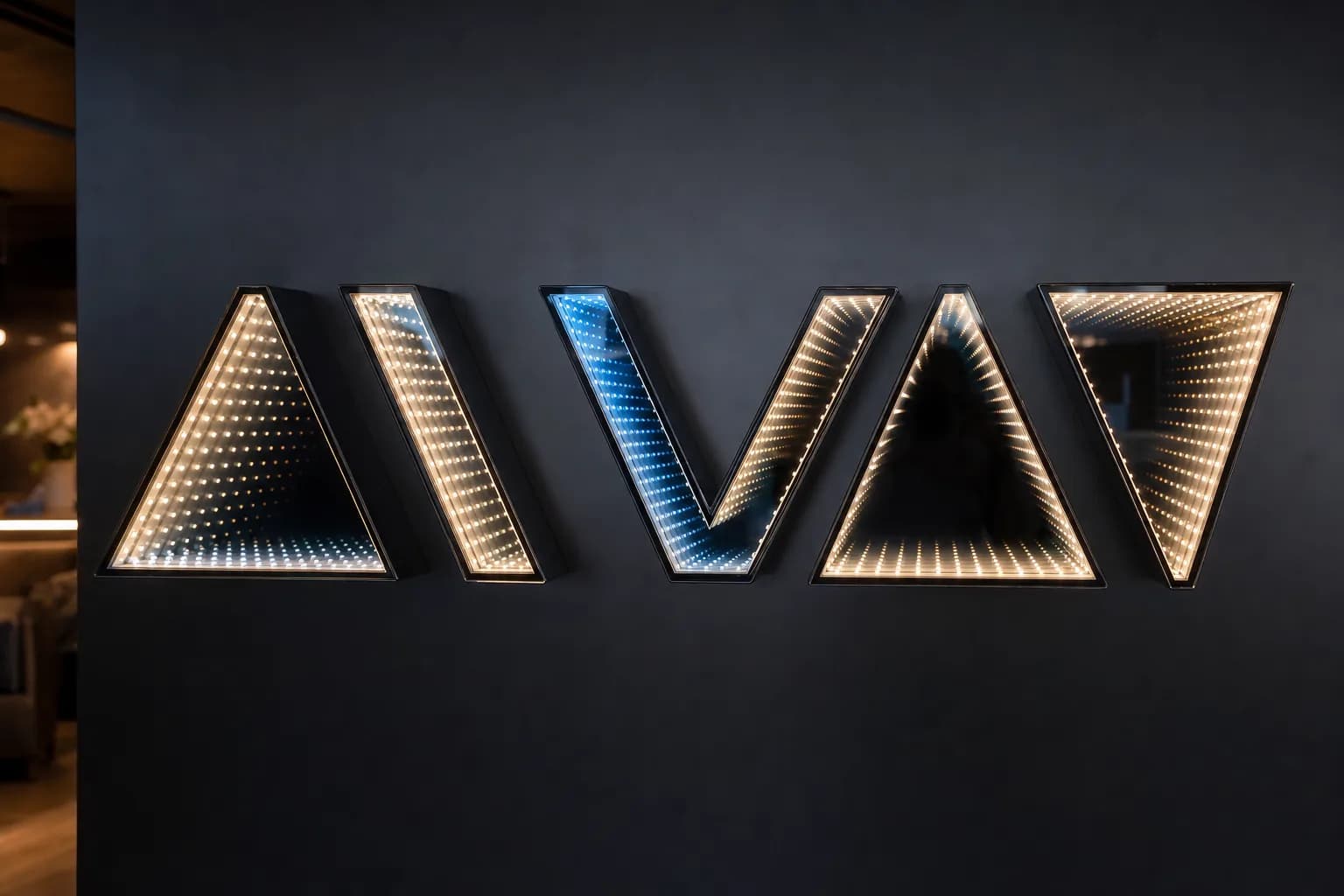
Infinity Mirror Letter Systems
Custom infinity mirror letter systems and channel signs built as individual optical cells for even depth across the whole wordmark.
View Infinity Mirror Letter Systems details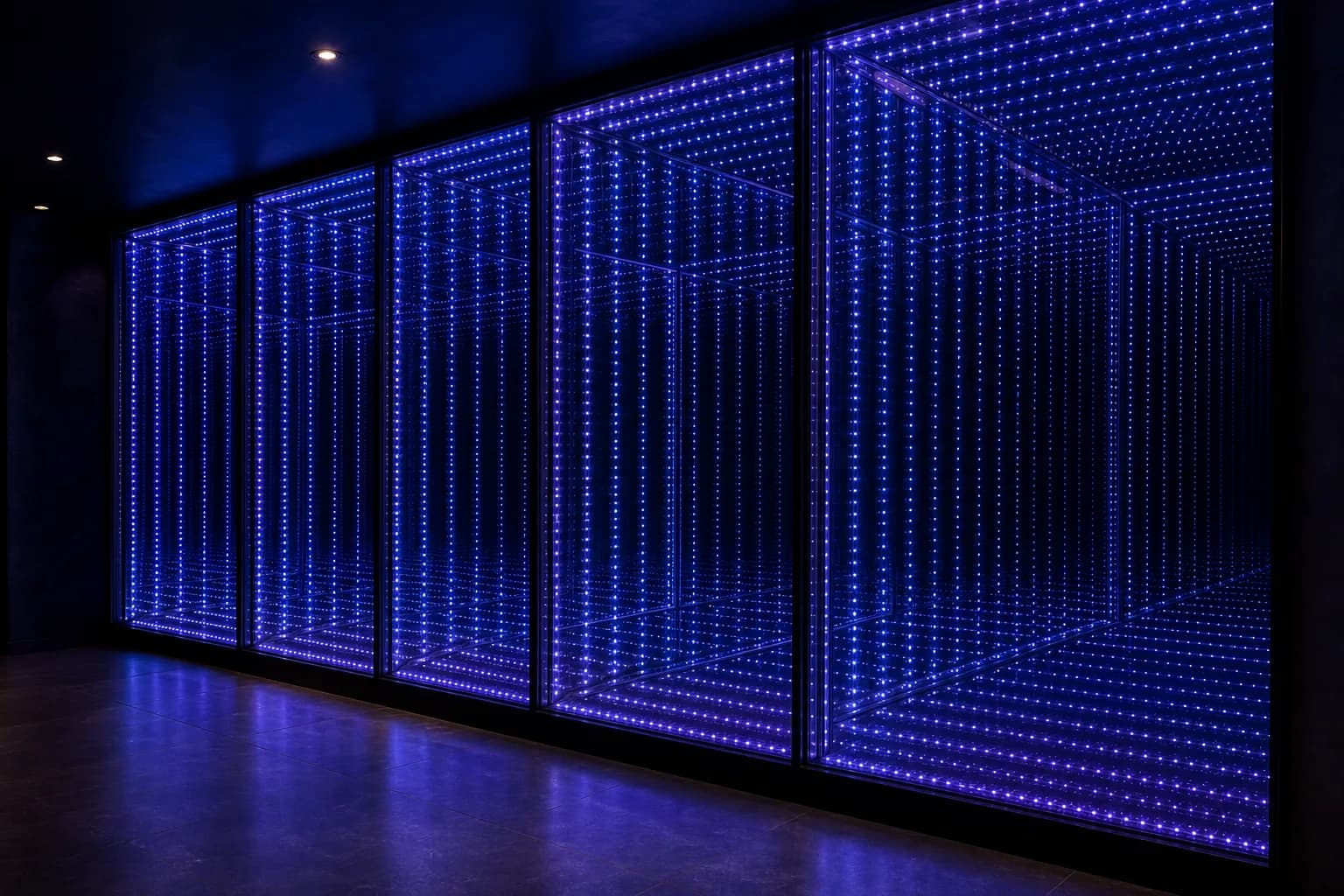
Feature Walls & Portals
Large-format infinity mirror feature walls and portals with synchronized multi-zone control, 24/7 heat management, and hidden service access.
View Feature Walls & Portals details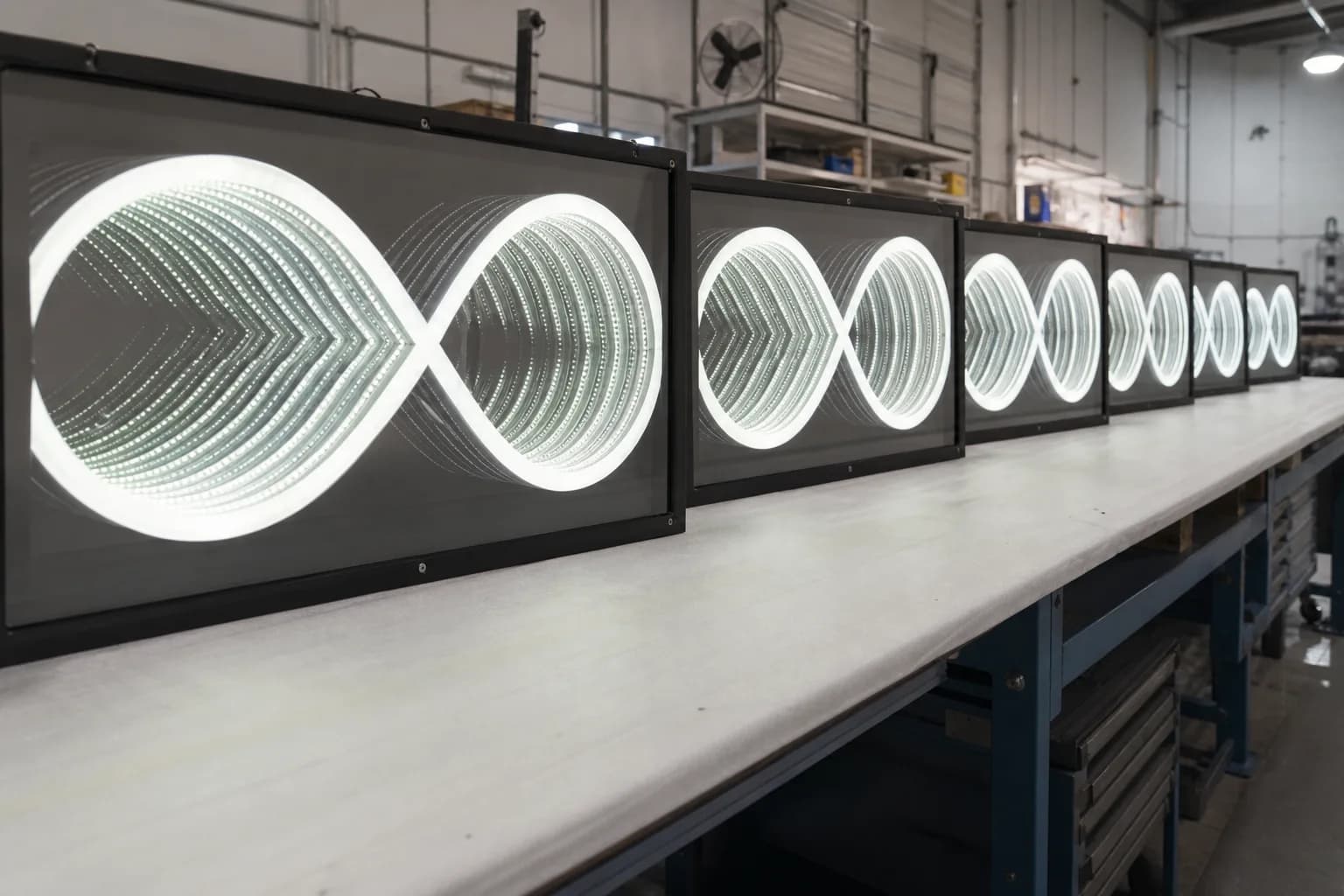
OEM & Rollout Programs
Private-label OEM & multi-location infinity mirror rollout programs with golden samples, controlled BOMs, and UL/CE electrical paths.
View OEM & Rollout Programs details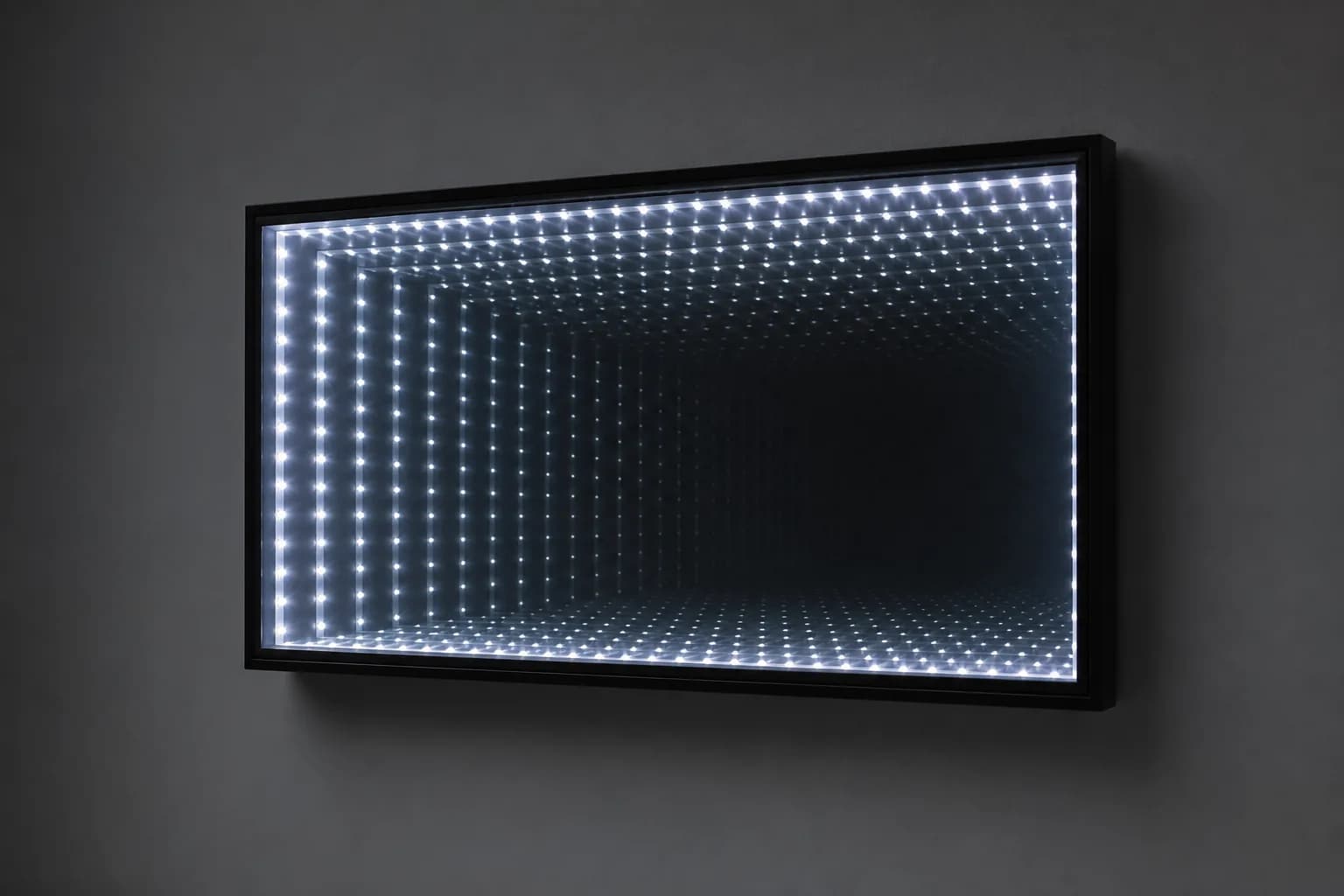
Standard Focal Panels
Fixed-size, ready-to-order standard infinity mirror focal panels with standard drivers and mounting kits for fast, predictable projects.
View Standard Focal Panels details