UL vs. CE for Imported Infinity Mirror Signs: What Buyers Need in the BOM
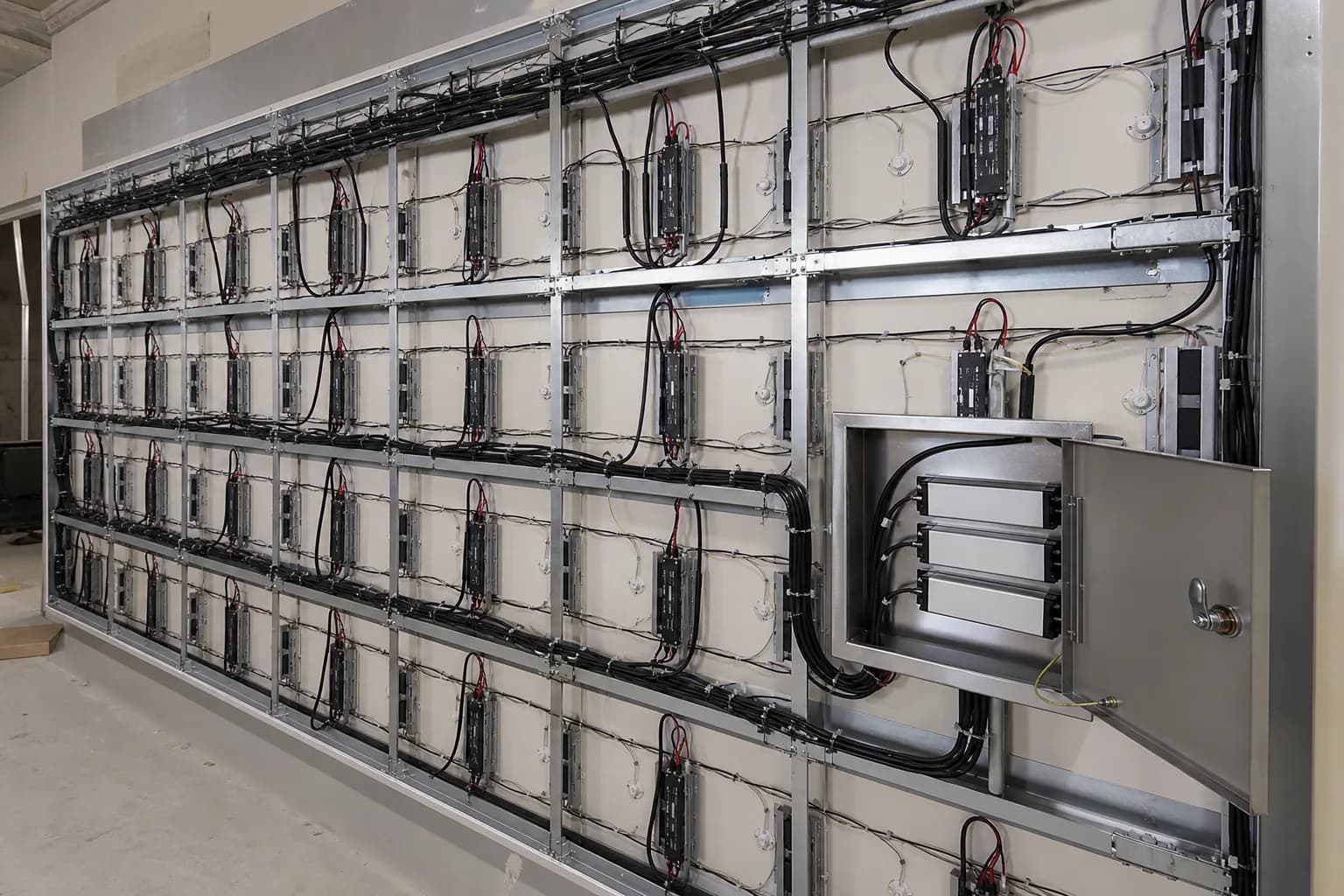
An imported infinity mirror is an electrical product. Whether it clears a US inspection or an EU DoC comes down to the driver and documentation — here is how we split BOMs by market.
The US path (UL / NEC)
For North American installs, inspectors expect Class 2 power supplies and wiring practices aligned to the NEC, and often listing on the electrical components. We specify market-appropriate drivers and document electrical intent — driver schedules, grounding, and load — so the local electrician and AHJ can follow a buildable set.
We do not treat certification as marketing copy. It is part of the shop drawings, with the component evidence attached.
The EU path (CE)
For EU partners, the relevant path is CE marking backed by a Declaration of Conformity and the component evidence behind it — low-voltage and EMC considerations for the driver, RoHS for materials. We provide the documentation partners need rather than a bare product.
Because the difference usually lives in the driver and its paperwork, we split BOMs by destination market so each unit ships with the right power supply and evidence for where it is going.
Why this matters for rollouts
For a single feature it is a checkbox. For a multi-location rollout it is the difference between a smooth program and a series of customs and inspection surprises. Market-split BOMs and consistent documentation keep dozens of units traceable and installable.
Related capability
Discuss your projectManufactured Product Catalog
Explore Infinity Mirror Product Lines
Browse our full range of custom infinity mirror signs, letter systems, and feature walls — engineered with CAD shop drawings, UL/CE compliance, and export packing.
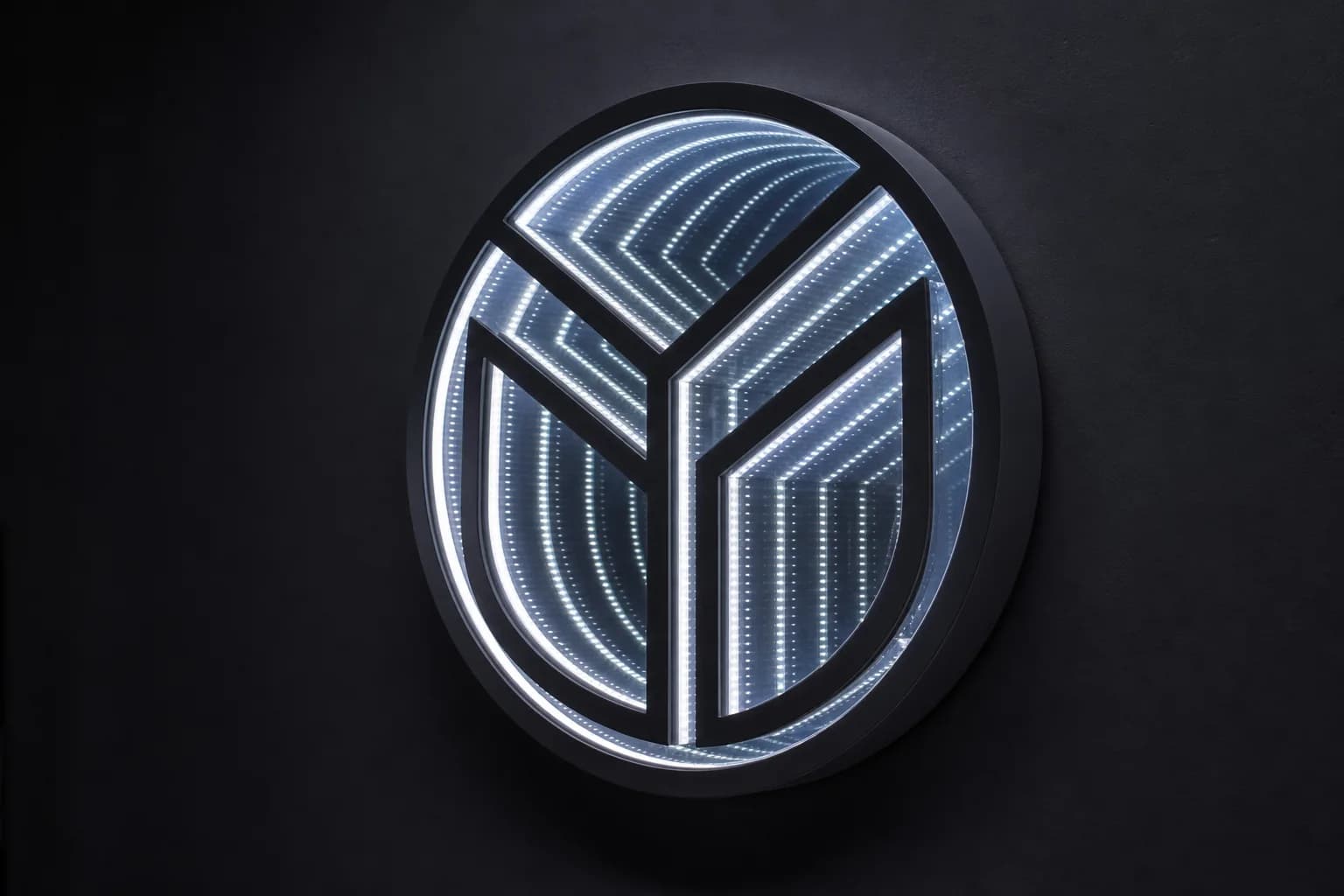
Infinity Logo Signs
Turn your brand mark into a custom infinity mirror logo sign — optical-grade glass, tuned LEDs, and endless depth engineered from vector artwork.
View Infinity Logo Signs details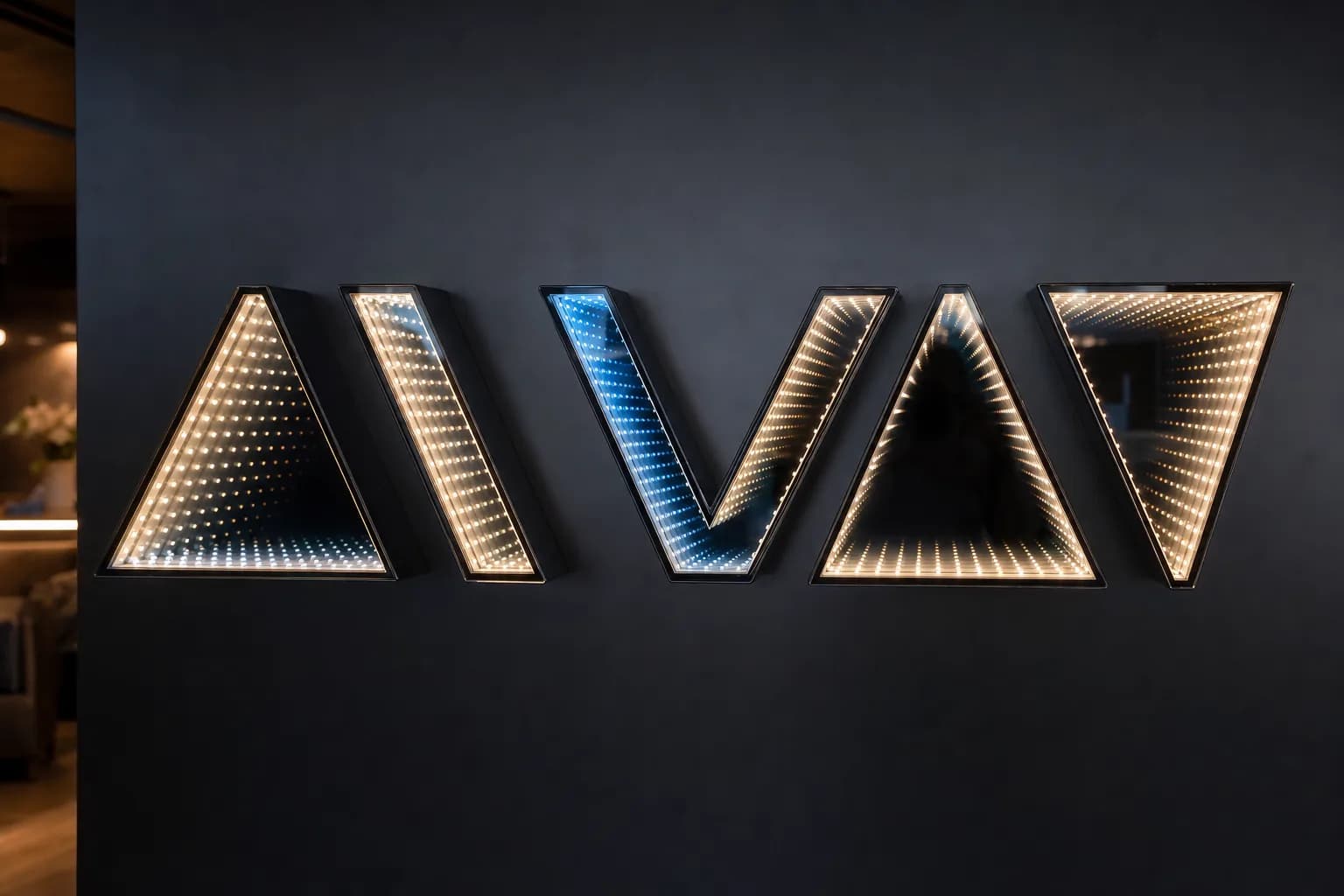
Infinity Mirror Letter Systems
Custom infinity mirror letter systems and channel signs built as individual optical cells for even depth across the whole wordmark.
View Infinity Mirror Letter Systems details
Feature Walls & Portals
Large-format infinity mirror feature walls and portals with synchronized multi-zone control, 24/7 heat management, and hidden service access.
View Feature Walls & Portals details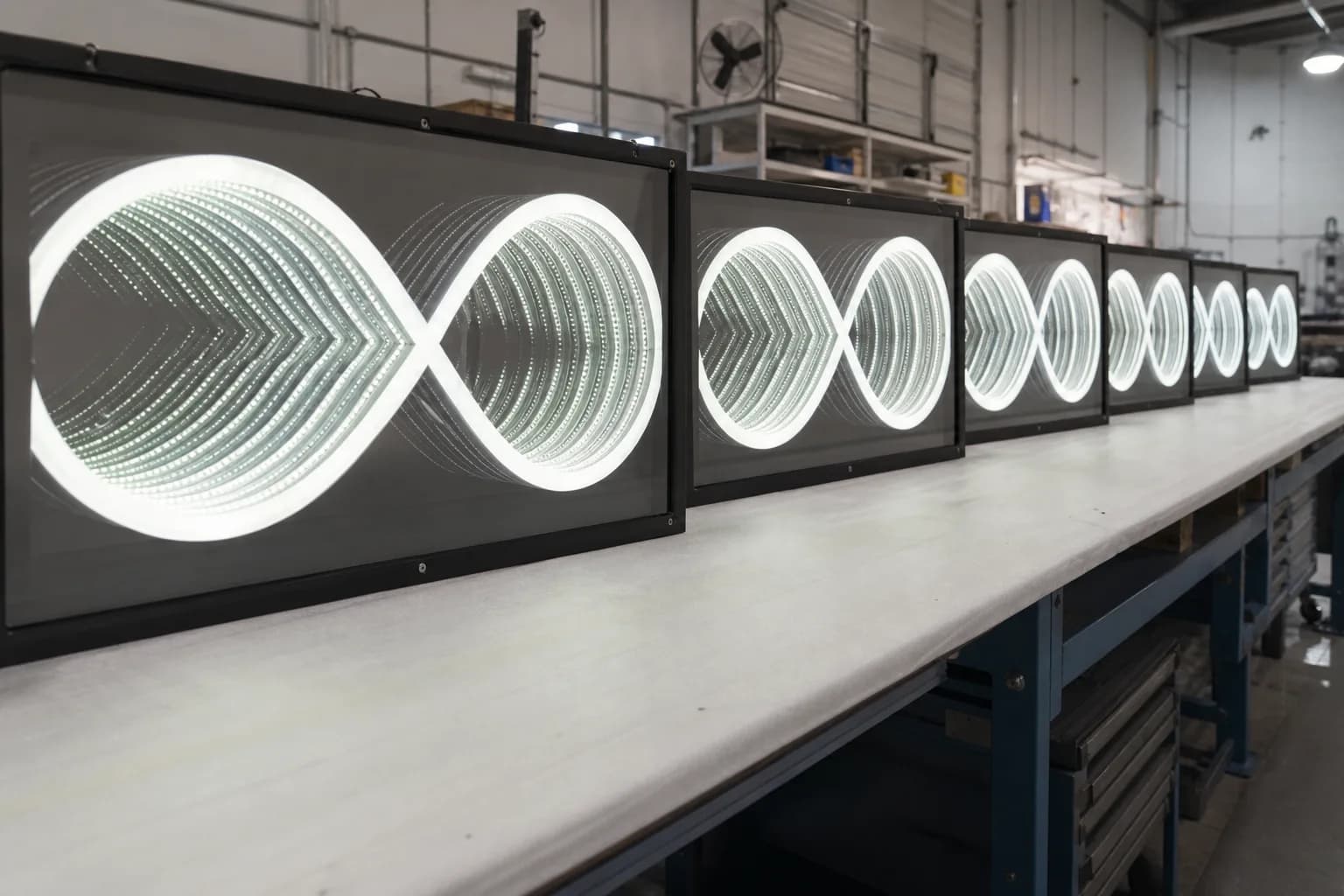
OEM & Rollout Programs
Private-label OEM & multi-location infinity mirror rollout programs with golden samples, controlled BOMs, and UL/CE electrical paths.
View OEM & Rollout Programs details
Standard Focal Panels
Fixed-size, ready-to-order standard infinity mirror focal panels with standard drivers and mounting kits for fast, predictable projects.
View Standard Focal Panels details